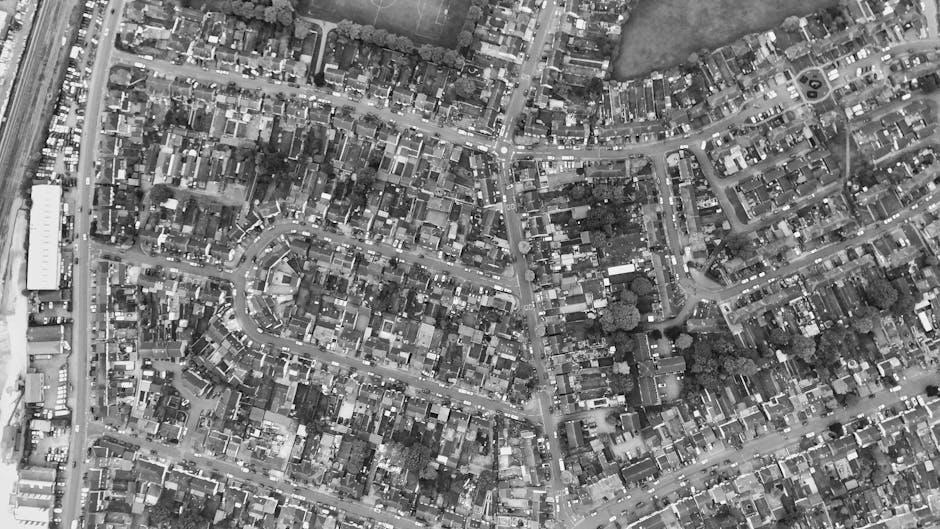
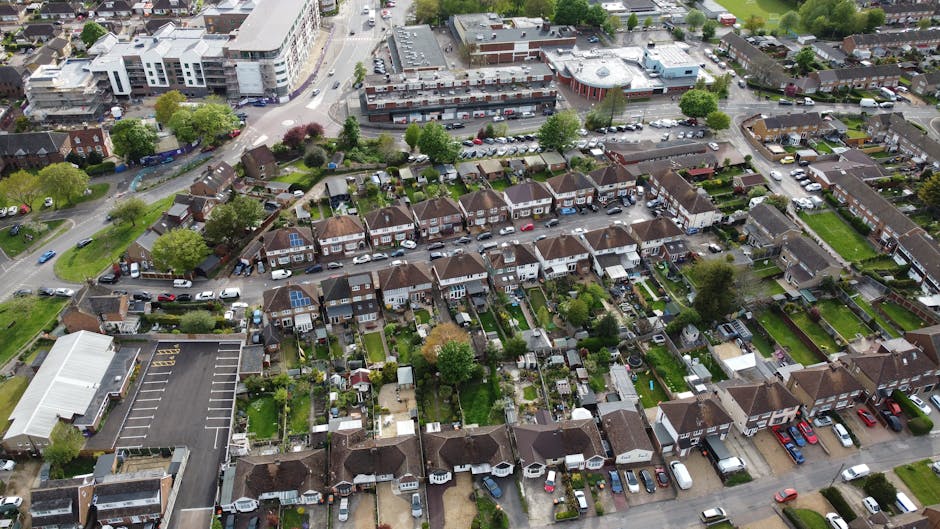
South Ruislip HA4 removals map for street access
If you are planning a move in South Ruislip, the South Ruislip HA4 removals map for street access is one of those things that suddenly becomes very important, very quickly. On paper, moving day sounds straightforward. In real life, there are narrow residential roads, awkward corners, parking pressure, and the constant question: where exactly will the van stop? This guide breaks that down in plain English so you can plan access properly, reduce delays, and keep the move calmer than the usual last-minute scramble.
Whether you are moving from a flat near the station, a terraced house on a tighter road, or a larger family property with limited driveway space, street access planning affects almost everything. It changes how much can be loaded at once, how long the job takes, whether the crew needs extra carrying distance, and whether neighbours are temporarily inconvenienced. The good news? With a sensible map-led approach, you can avoid most of the headaches before they start.
Below, you will find a practical breakdown of how street access planning works in HA4, what to check before moving day, and how to use local knowledge to make the process smoother. No fluff. Just the useful stuff.
Table of Contents
- Why the street access map matters
- How the removals map works in practice
- Key benefits and practical advantages
- Who needs this and when it makes sense
- Step-by-step guidance
- Expert tips for better results
- Common mistakes to avoid
- Tools, resources and recommendations
- Law, compliance, standards, and best practice
- Options, methods, or comparison table
- Case study or real-world example
- Practical checklist
- Conclusion
- Frequently asked questions
Why South Ruislip HA4 removals map for street access Matters
Street access is not just a logistics detail. It is often the difference between a smooth move and a day that feels oddly like a puzzle with one missing piece. In South Ruislip HA4, the local road layout can create a few practical issues: parked cars, tighter residential streets, set-back front doors, and occasional restrictions that make van positioning awkward.
A removals map for street access helps you visualise how the vehicle will approach the property, where it is likely to stop, and how the load will travel between the van and the front door. That matters because every extra metre of carrying distance increases the time and physical effort involved. It also affects how easy it is to move bulky items such as wardrobes, sofa frames, appliances, or boxed loads that really do not enjoy being carried upstairs twice. Nobody enjoys that.
For local moves, especially around busy parts of South Ruislip, the map is also a planning tool for timing. If access is tighter at school-run hours or near busier junctions, a morning slot may be easier than late afternoon. If a road is narrow or heavily parked, a smaller vehicle might be more practical than a larger moving truck. A simple map can reveal that before moving day arrives.
In practical terms, the access map helps answer five questions:
- Can the vehicle stop close enough to the property?
- Will parking need to be reserved or just carefully timed?
- Are there any width, height, or turning limits nearby?
- Will carrying distance affect labour time or loading speed?
- Are there access issues for flats, shared driveways, or rear entrances?
That is why good removals planning starts before the boxes are taped shut. In our experience, the people who get access right are usually the ones who have the calmest move day. Funny how that works.
How South Ruislip HA4 removals map for street access Works
A street access removals map is not usually a formal council document. Think of it more as a practical planning view of the area around your property: the road layout, parking opportunities, turning space, and the walking route from vehicle to door. The aim is to turn "I think the van can stop there" into a better informed decision.
Here is how the process typically works.
1. Identify the exact property access point
Start with the entrance that will actually be used on moving day. For some homes that is the front door. For others it may be a shared side passage, rear entrance, or a communal entrance with a lift. That detail matters more than people expect. A van can be parked on the right road and still be awkwardly placed if the only usable entrance is on the other side of the building.
2. Check road width and vehicle approach
Removals vehicles need room to enter, pass parked cars, and position safely. If a street is tight, the team may need to reverse carefully, approach from a different direction, or use a smaller vehicle. This is where a local removals map is useful because it highlights pinch points that are easy to miss when you are focusing on the house itself.
3. Look at parking conditions and loading distance
Even when there is no formal restriction, parking may be difficult. A road can look fine on a quiet weekday and then feel like nowhere at all once neighbours are home and cars are lined up along both sides. The map helps estimate the carry from van to front door, and that can influence the choice of vehicle and staffing.
4. Factor in property type and access style
South Ruislip HA4 includes a mix of property styles, and access can vary a lot from one street to the next. A terraced house with a narrow hallway behaves differently from a modern flat block with controlled entry. If lifts, stairwells, or communal corridors are involved, the access map should include those inside paths too. Street access is only the start.
5. Match the route to the move plan
Once the access picture is clear, the move plan can be adjusted. Maybe the van size changes. Maybe the loading time is extended a little. Maybe furniture is disassembled before the vehicle arrives. These are small choices, but they save a lot of stress later. Truth be told, moving day usually goes well when the awkward bits are handled before breakfast.
Key Benefits and Practical Advantages
A good street access map is not just about convenience. It has practical value across the whole move.
| Benefit | What it improves | Why it matters in South Ruislip HA4 |
|---|---|---|
| Faster loading and unloading | Less walking distance, more efficient handling | Useful where parking is limited or roads are busier than they first appear |
| Better vehicle choice | Right-sized van or truck | Prevents using a vehicle that is too large for the street |
| Fewer delays | Less waiting for space or access adjustments | Important if the road has parked cars or shared access |
| Lower risk of damage | Safer handling route and fewer awkward manoeuvres | Protects furniture, door frames, and walls in tight spaces |
| Clearer cost expectations | More accurate planning for labour and vehicle time | Helpful when you want a quote that reflects the real access conditions |
There is also a quieter benefit: confidence. When the route is properly thought through, the whole day feels less fragile. You are not waking up and hoping for the best. You already know the likely pinch points, and that changes the tone of the move completely.
Another advantage is neighbour management. If your loading point is likely to affect shared parking or a narrow street, planning allows you to choose the least disruptive time and explain what is happening in advance. That sort of courtesy matters. It does not have to be formal, just thoughtful.
Who This Is For and When It Makes Sense
Not every move needs the same level of access planning, but the South Ruislip HA4 removals map for street access becomes especially useful in a few common situations.
- Home movers with limited parking: If your street often fills up, a map helps avoid last-minute vehicle placement problems.
- Flat moves and apartment blocks: Shared access, lifts, entrance codes, and communal corridors make planning more important.
- Families with larger furniture: Sofas, beds, dining tables, and appliances need a sensible route from door to van.
- Time-sensitive moves: If you have a tight handover window, the access plan can save precious minutes.
- Commercial or mixed-use moves: Small offices, studios, or home-based businesses often need a less disruptive loading plan.
It also makes sense if you are doing the move yourself using a man and van style service or a smaller removal truck. With a larger full-house move, access planning is often handled as part of the quote process. With a simpler job, people sometimes assume they can wing it. That is usually where the trouble starts, to be fair.
If you are unsure whether your street is straightforward enough, the safest approach is to treat the access map as a yes, even if the move looks easy at first glance. Roads can surprise you. A road that seems wide enough may still have poor turning angles, awkward kerb space, or an entrance that is less convenient than expected.
Step-by-Step Guidance
Here is a practical way to prepare your South Ruislip HA4 move using a street access map. It is simple, but it works.
- Pinpoint the property and entrance. Confirm the exact address, entrance side, and whether the front, side, or rear access will be used.
- Walk the route from van to door. Stand outside and look at the path with moving-day reality in mind: boxes, furniture, weather, and other people moving around.
- Note parking options. Identify where a van could legally and safely stop, even if only for loading.
- Check for obstacles. Think about low branches, narrow gates, steps, shared paths, bollards, or awkward corners.
- Measure larger items. Compare furniture dimensions to doorways, hallways, and stairwells before the move, not after.
- Match the vehicle to the street. A smaller vehicle is sometimes faster overall if it can access the property better.
- Plan the loading order. Heavy, awkward, and first-needed items should be loaded in a sensible sequence.
- Allow a small buffer. A few extra minutes for access issues can keep the whole day from drifting.
A useful habit is to take a few photos of the road, kerb, and entrance a day or two before the move. They do not need to be fancy. A couple of clear phone shots can help a removals team understand what they are dealing with, especially if you are organising everything remotely or juggling work and children at the same time.
If your building has a reception desk, managed entry, or timed access rules, check those details early. It is a small thing, yet it can save the classic "we thought someone else had the key" moment. And that one really does happen.
Expert Tips for Better Results
Here are the sorts of things that experienced movers tend to notice early, even if the customer would not think to mention them.
- Use the tightest point as your reference. The narrowest section of the route usually decides the real access limit, not the widest part.
- Think in carrying time, not just distance. Ten metres on a clear path is one thing; ten metres past parked cars and steps is another.
- Plan for rain and low light. A dry morning is one thing. A damp, grey evening with traffic around is different. The path can feel more awkward and slower.
- Separate access difficulty from property size. A small flat can be harder to move from than a larger house if the street access is poor.
- Keep large items near the exit before the van arrives. If the sofa is still upstairs when the truck turns up, you have already lost momentum.
A slightly old-fashioned tip, but a good one: stand outside and imagine carrying your biggest item while someone is trying to squeeze past with shopping bags. If that sounds awkward, it probably is. Better to solve it now than discover it mid-load.
In local moves around HA4, a careful start often means a better finish. The first 20 minutes matter a lot more than people think. Get those right and the rest usually settles down.
Common Mistakes to Avoid
Most access problems are preventable. The tricky part is that they are easy to ignore until they become expensive or annoying.
- Assuming the road is wide enough without checking. What looks fine from the car can be less fine with a moving vehicle.
- Forgetting about parking pressure. A street that seems calm at midday may be much tighter at 7:30 in the morning or after work.
- Not checking the carry route. A clear street does not help if the entrance path has steps, gates, or shared obstructions.
- Leaving bulky furniture assembled. Sometimes a bed frame or wardrobe just needs to come apart. It is not personal.
- Booking the wrong vehicle size. Too big can be awkward. Too small can mean extra trips. Neither is ideal.
- Not telling the removals team about access issues. The more they know, the better they can plan manpower, timing, and equipment.
One of the more common mistakes is treating access as something the driver will "sort out on the day." That can work on a simple road, but it is not a strategy. Good removal work is built on a plan, even if the plan is basic and practical rather than elaborate.
Also, do not assume that a short walk means an easy move. Some of the slowest jobs are short-distance ones where the van cannot get close enough. Odd, but true.
Tools, Resources and Recommendations
You do not need specialist software to plan a removals access route, but a few simple tools help a great deal.
- Phone camera: Take photos of the road, entrance, and any narrow points.
- Measuring tape: Check door widths, hallways, and larger furniture dimensions.
- Notes app: Keep access instructions in one place so nothing gets lost in messages.
- Parking observation: Visit at the time of day you expect the move if possible.
- Floor plan or rough sketch: Useful for flats, maisonettes, and any property with shared access.
For broader planning, it can also help to look at related services and information from the same company. If you are moving home, the home moves page is a useful starting point. For smaller, more flexible jobs, man and van support can be the better fit. If the move involves packaging fragile items or you simply do not want to spend your whole weekend surrounded by tape, the packing and unpacking services page is worth a look too.
If you are comparing moving options, there is no shame in being practical. Sometimes the right choice is a smaller vehicle, sometimes it is extra labour, and sometimes it is just a smarter loading plan. The best option is the one that suits the street, not the other way around.
Law, Compliance, Standards, or Best Practice
Street access for removals is partly a logistics issue and partly a compliance issue. You do not need to become a parking-law expert, but you do need to avoid causing obstruction, blocking driveways, or ignoring local restrictions. In London areas like South Ruislip HA4, common-sense planning matters because space is often limited and the roads are shared by residents, visitors, and service vehicles.
Best practice usually means:
- parking only where stopping is allowed and safe;
- avoiding obstruction to pedestrians, driveways, and emergency access;
- respecting loading restrictions and property rules;
- communicating clearly with neighbours or building management if access will be affected;
- using suitable vehicles and trained handlers for awkward or heavy items.
For many domestic moves, the practical standard is simple: keep the route safe, legal, and realistic. If a road is tight, do not force a vehicle into a position that creates risk just because it looks neat on a map. A slightly longer carry route is often better than a rushed, awkward manoeuvre. Common sense wins here.
If you are moving items that need special handling, such as refrigeration units, appliances, or items for disposal, it is worth checking the right service before moving day. For example, appliance handling can be reviewed through fridge and appliance removal, while larger or unwanted household items may be handled separately via mattress and sofa disposal. That helps keep the main move clear and less cluttered.
On the safety side, reputable removal work should follow clear internal procedures for handling loads, navigating steps, and protecting both people and property. If you want to understand the broader approach, the company's health and safety policy and insurance and safety information are sensible reference points.
Options, Methods, or Comparison Table
Different access situations call for different moving methods. The right choice depends on street width, parking, load size, and how far the van can get to the entrance.
| Method | Best for | Strengths | Limitations |
|---|---|---|---|
| Large removal truck | Full-house moves with straightforward access | High capacity, fewer trips | Can struggle on tight streets or awkward turns |
| Man and van | Smaller moves, flexible access, lighter loads | Easier to park and position | May require multiple runs for larger jobs |
| Smaller moving vehicle | Restricted roads, limited turning space | Better street compatibility | Less capacity than a full truck |
| Disassembled-load approach | Bulky furniture or narrow entrances | Improves doorway and stair access | Needs planning and time before move day |
There is no universal winner. A large vehicle can be efficient on a good road, but a smaller van may actually be faster if access is tight. That surprises people sometimes. Bigger is not automatically better; in moving, fit matters more than bravado.
If your move also includes business items or a workplace shift, you may want to compare the access planning with a more formal commercial move process through commercial moves or office relocation services. Office jobs often need extra coordination for timing, shared entrances, and minimal disruption.
Case Study or Real-World Example
Here is a realistic example based on the kind of access issue that comes up again and again.
A couple moving from a first-floor flat in HA4 assumed the van would be able to stop directly outside the building. On a weekday morning, the street looked fine during their quick visit the day before. But on moving day, several cars had filled the available space, and the vehicle could only stop a short distance away, near a corner with tighter manoeuvring room.
Because the access had been reviewed in advance, the team had already planned for a shorter carry route, used a slightly smaller vehicle, and asked the clients to keep the largest items near the exit. That meant the move still ran, even if it was a little slower than ideal. Not perfect. But controlled, which is the real goal.
Without the access planning, the job could have slipped badly. Boxes would have been stacked in the wrong place, the wrong vehicle might have been sent, and the crew would have been forced into reactive decisions. Instead, the problem was just a nuisance, not a disaster. You could almost hear the sigh of relief when the final wardrobe cleared the stairwell.
The lesson is simple: a good street access map does not need to be fancy. It just needs to be accurate enough to prevent the obvious surprises.
Practical Checklist
Use this before moving day. It keeps the access side tidy, and tidy helps.
- Confirm the full address and exact entrance to be used.
- Check whether parking is likely to be available near the property.
- Identify any narrow roads, tight turns, or height restrictions.
- Measure large furniture and compare it with doorways and corridors.
- Take photos of the street, entrance, and any awkward access points.
- Ask whether the property has shared access, gates, codes, or lift rules.
- Decide whether a smaller vehicle would be easier than a larger truck.
- Prepare a loading order for heavy and fragile items.
- Tell the removals team about stairs, long carries, or parking limits.
- Keep a small buffer in the schedule for unexpected access delays.
Key takeaway: if the van can get close, the move is easier. If it cannot, you can still move well, but only if the access plan is realistic from the start.
Conclusion
The South Ruislip HA4 removals map for street access is really about one thing: turning uncertainty into a clear, workable moving plan. Once you know where the vehicle can stop, how far items need to be carried, and whether the road layout creates any pinch points, the rest of the move becomes much easier to manage.
It is a small piece of preparation, but it has a big effect. Fewer delays. Less strain. Better vehicle choice. Fewer awkward surprises outside the front door on the morning of the move. And yes, a calmer day for everyone involved.
If you are comparing moving options in South Ruislip HA4, take the access map seriously and choose the service that fits the street as well as the property. That simple habit saves time and stress, and it usually makes the whole experience feel far more under control.
Get a free quote today and see how much you can save.
Frequently Asked Questions
What is a South Ruislip HA4 removals map for street access?
It is a practical way of checking how a removal vehicle will approach, park, and load at a property in South Ruislip HA4. It usually covers road layout, parking, walking distance, and any awkward access points that affect moving day.
Why does street access matter so much for removals?
Because the easier it is for the vehicle to get close to the property, the faster and safer the move usually is. Poor access can increase carrying time, slow loading, and make larger furniture more difficult to handle.
Do I need a street access plan for a small move?
Yes, often you do. Even a small move can be delayed if the road is tight, parking is limited, or the entrance is awkward. Small jobs can be the most annoying ones when access is poor. A bit unfair, but true.
How do I check if a moving van can fit on my street?
Look at the width of the road, parked cars, turning space, and whether there are bends, bollards, or low obstacles. If possible, visit at the same time of day the move is scheduled so you can see what parking is really like.
What if the van cannot park right outside my property?
That is fairly common. The move can still work, but the carry distance increases. In that situation, it helps to plan for extra time, keep items ready near the exit, and choose a vehicle size that suits the road rather than forcing a larger one in.
Is a man and van service better for tight access?
Often, yes. Smaller vehicles are usually easier to position on narrow streets and can be a better fit when access is limited. If the move is small to medium and the road is awkward, a more flexible vehicle can be a smart choice.
Should I measure my furniture before moving day?
Absolutely. Measuring large items like sofas, beds, wardrobes, and appliances helps you avoid nasty surprises at doorways and stairwells. It is one of the simplest ways to reduce stress, and it costs nothing but a bit of time.
What access details should I tell the removals company?
Share anything that affects parking, loading, or carrying: narrow roads, long walks from van to door, steps, lifts, gated entry, shared driveways, and time restrictions. The more accurate the information, the better the plan.
Can access issues affect the quote?
They can, because difficult access may mean more time, extra labour, or a different vehicle choice. Good quoting takes practical conditions into account rather than just the postcode and item list.
Are there any compliance concerns with loading on a residential street?
Yes. You should avoid blocking driveways, causing obstruction, or ignoring parking restrictions. The safest approach is to keep the stop legal, sensible, and respectful to neighbours and other road users.
What should I do if I live in a flat block with shared access?
Check lift rules, entrance codes, delivery hours, and any building management instructions. Flat moves can be smooth, but only if the shared access details are confirmed in advance. Otherwise, a tiny delay can turn into a longer one very quickly.
How far in advance should I plan street access?
Ideally a few days before the move, or earlier if your street is especially tight or busy. That gives you time to take photos, measure key spaces, and adjust the vehicle plan if needed. Last-minute checks are better than none, of course, but they are not ideal.
What is the biggest mistake people make with removals access?
The biggest mistake is assuming access will sort itself out on the day. It usually does not. The best moves are the ones where the route, parking, and loading plan have already been thought through in a calm moment beforehand.
Can I prepare the property myself before the movers arrive?
Yes, and it helps a lot. Clearing hallways, moving loose items near the exit, and making sure the access route is free of clutter all speed things up. A clear path really does make a difference, especially when the first boxes start coming through.